Why Does My Septic Tank Fill Up So Fast?
If you’ve ever wondered why your septic tank seems to fill up quicker than expected, you’re not alone. A rapidly filling tank can be frustrating and stressful, especially if it leads to backups or expensive repairs. The good news is that there are clear reasons why this happens—and ways to prevent it.
In this article, you’ll learn the most common causes behind a septic tank filling too quickly, how to spot early warning signs, and what you can do to keep your system running smoothly.
Understanding How a Septic Tank Works
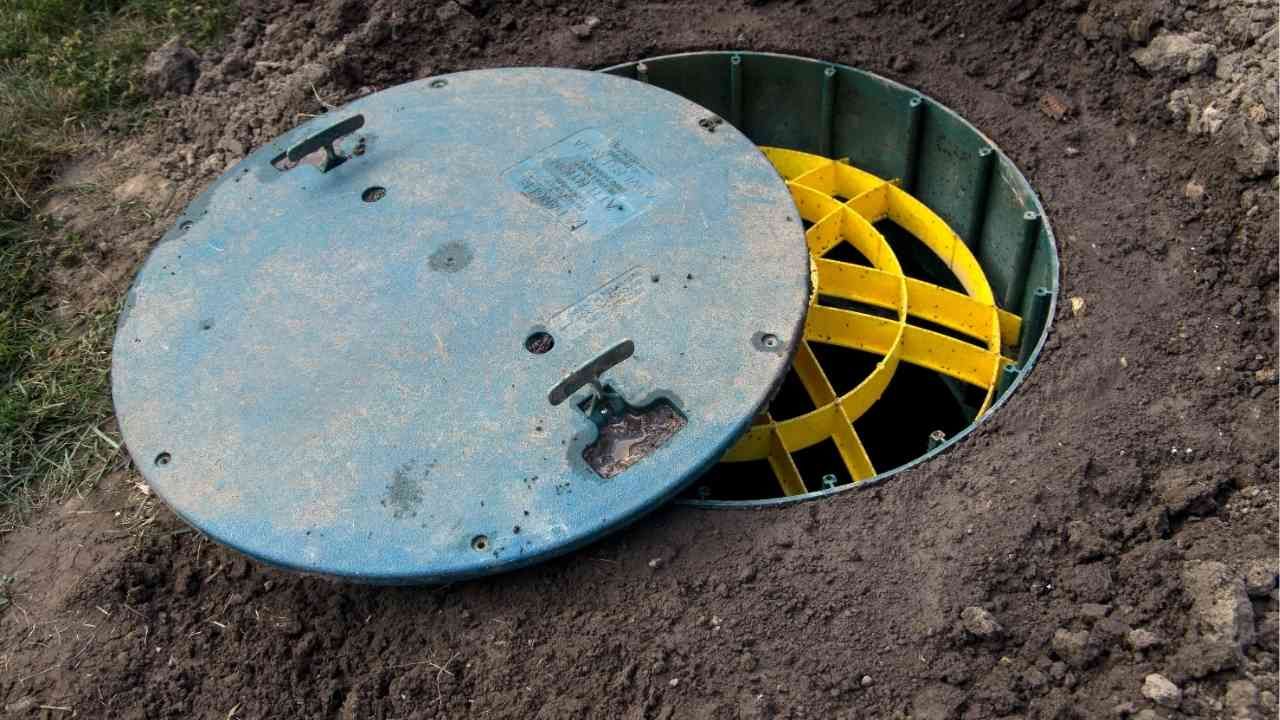
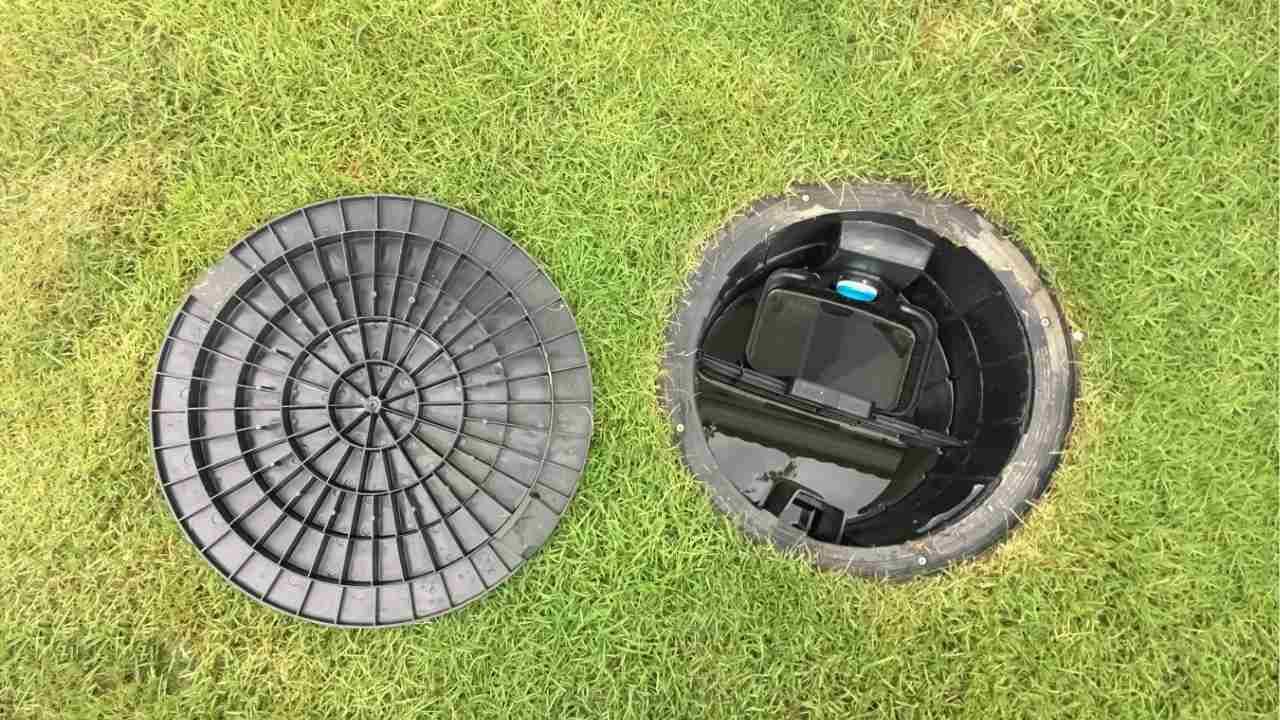
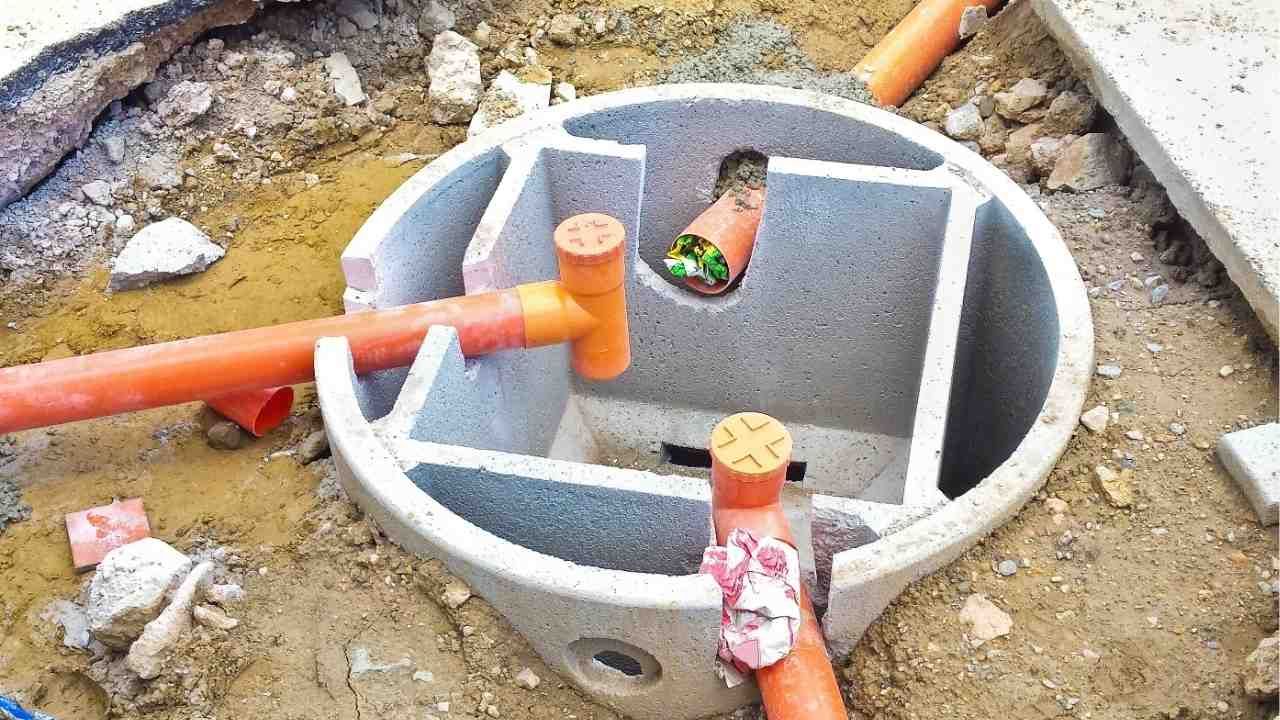
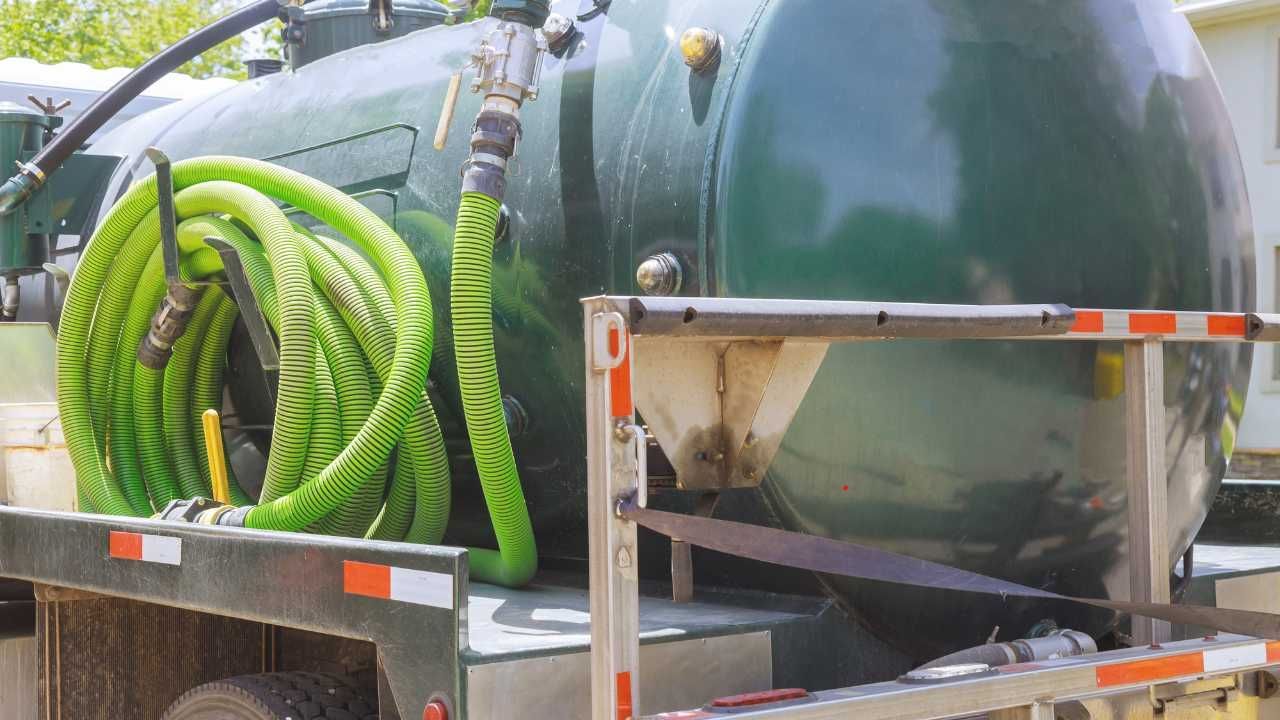
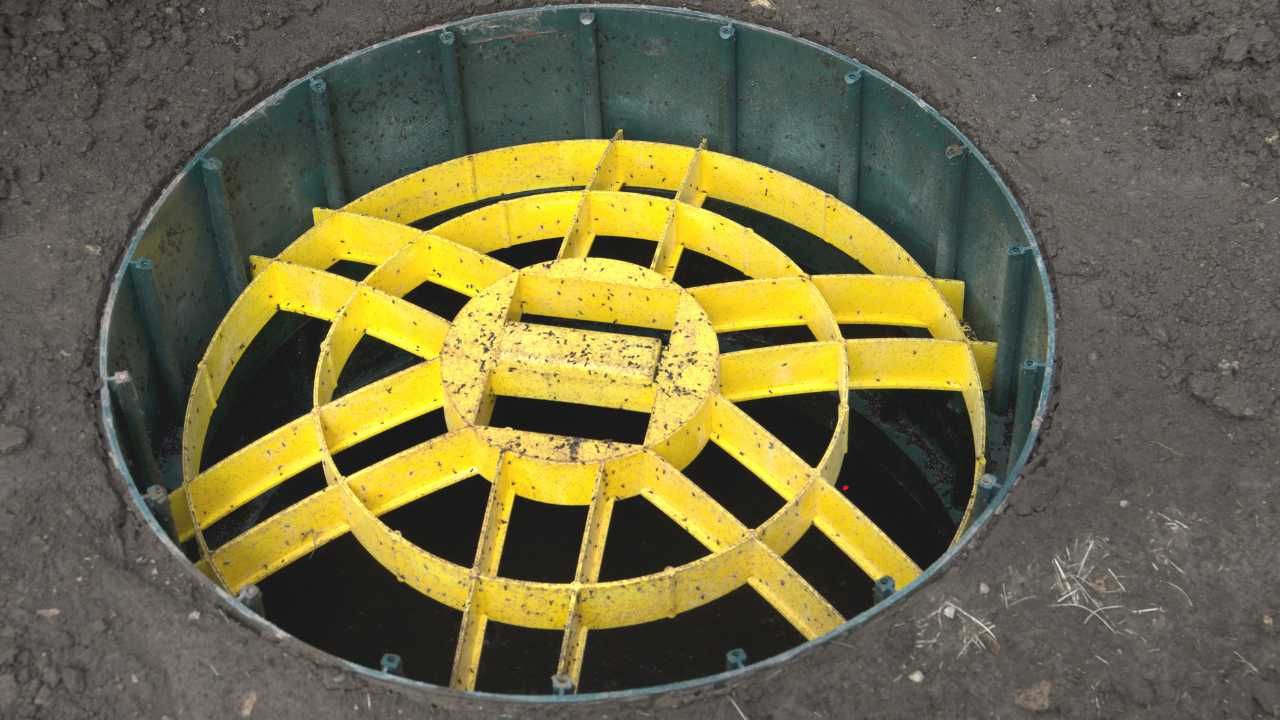
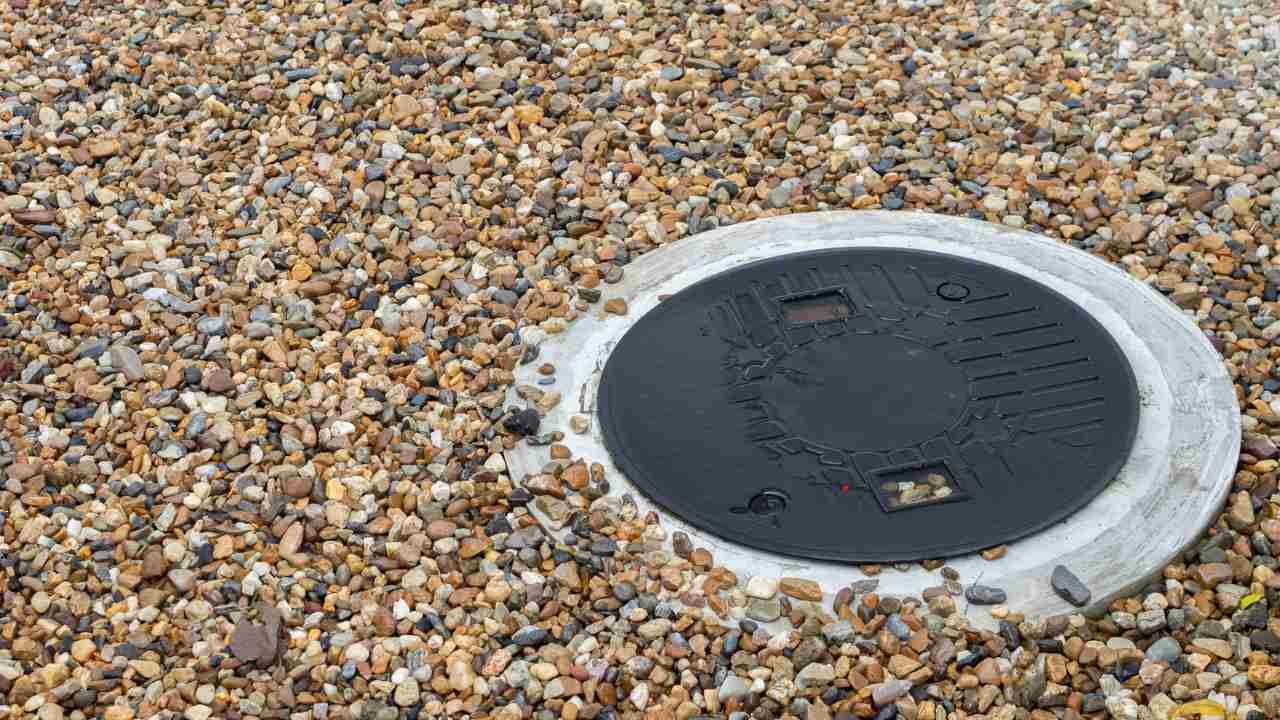
Your septic tank is designed to hold wastewater from your home, allowing solids to settle at the bottom while liquids drain into a leach field for further treatment. Under normal use, most tanks only need to be pumped every three to five years. If yours is filling up too fast, it often means something in the system isn’t working as it should.
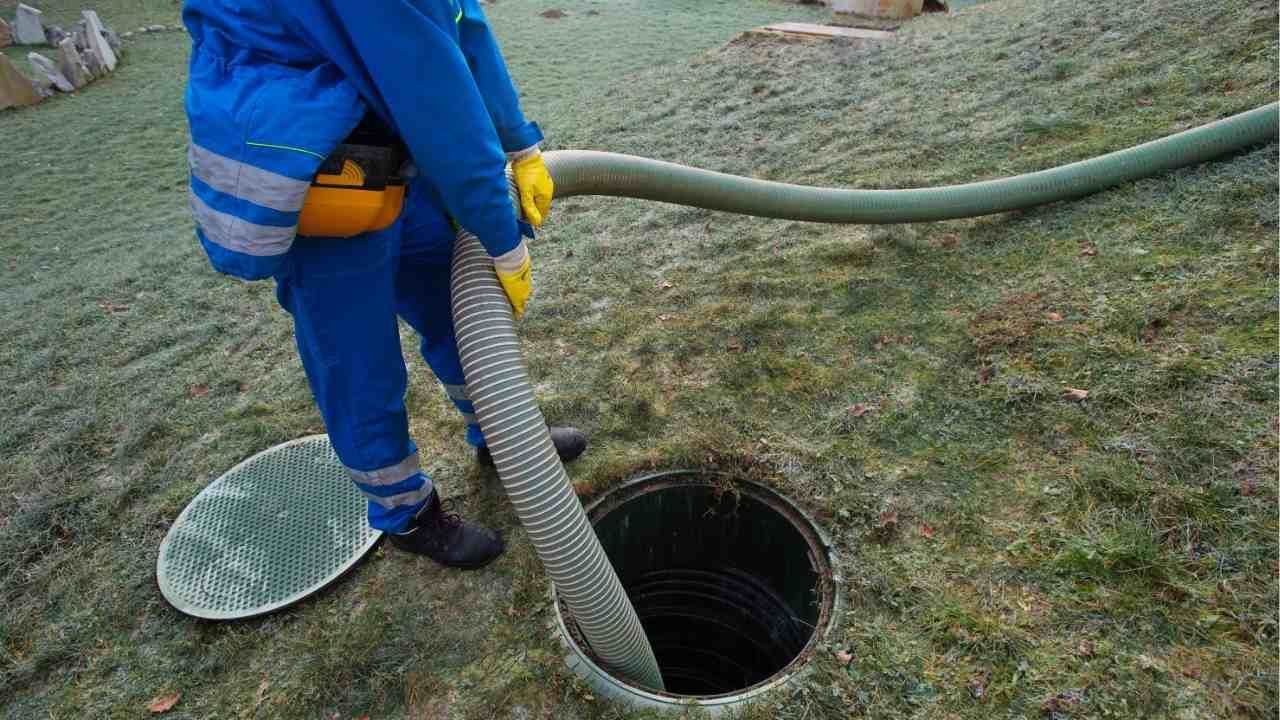
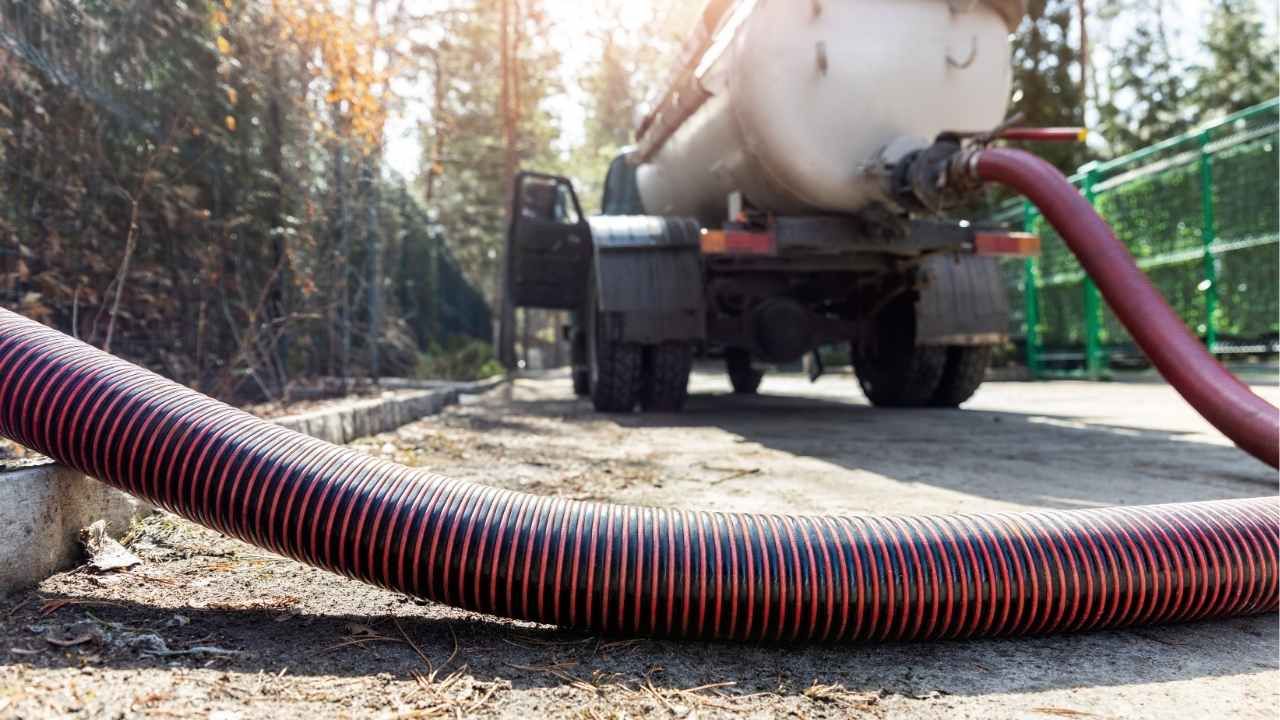
Homeowners sometimes turn to septic tank pumping in Miami more often than expected because underlying issues go unnoticed. Pumping can provide temporary relief, but it’s important to identify the root cause to avoid repeating the same cycle.
Common Reasons Your Tank Fills Too Fast
Several factors can cause your septic tank to reach capacity quicker than normal:
- Excessive water usage – Running multiple loads of laundry, long showers, or leaks in plumbing fixtures can overwhelm your system.
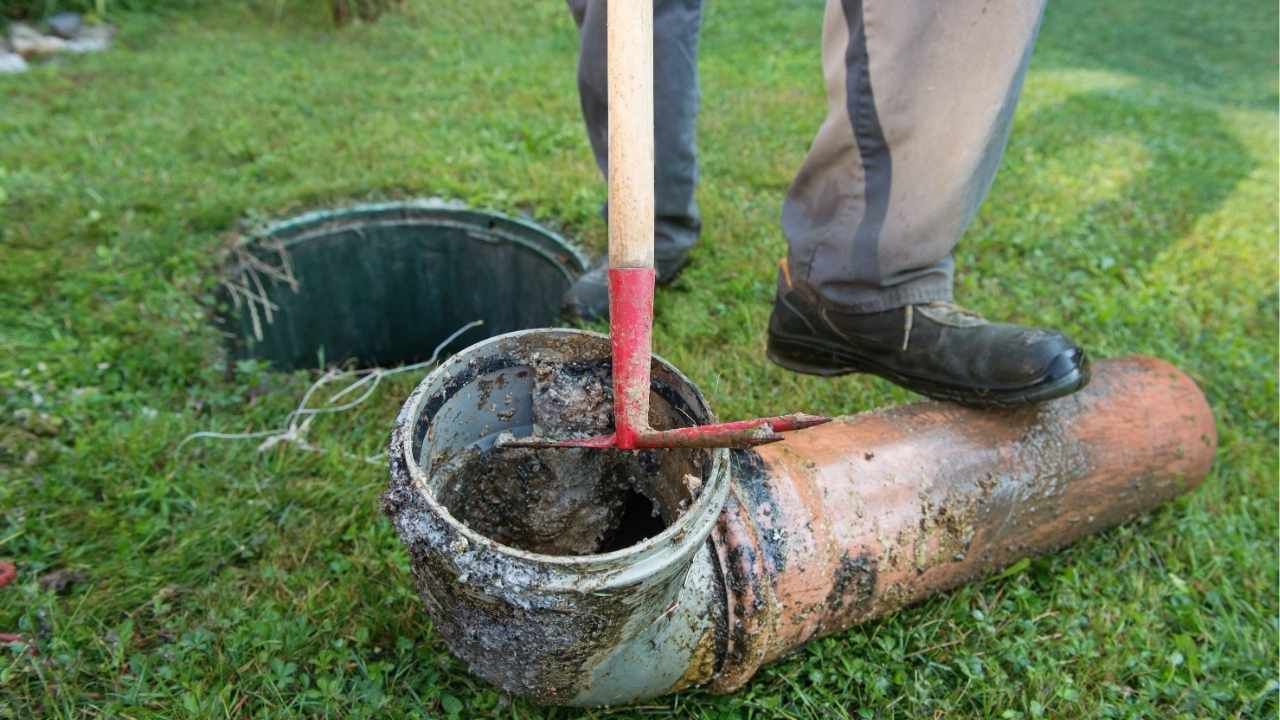
- Clogs and blockages – Non-biodegradable items, grease, and wipes can slow down the natural separation process and reduce capacity.
- Leach field issues – If the drain field is saturated or damaged, wastewater has nowhere to go, forcing the tank to fill up more quickly.
- Small tank size – Some older homes have undersized tanks that aren’t built to handle modern household water demands.
Septic tank contractors like Septic Masters can assess whether the problem lies with your tank, your leach field, or your overall water usage habits.
Signs Your Septic Tank May Be Struggling
Catching problems early can save you from messy backups and costly repairs. Look for these warning signs:
- Slow drains in sinks, tubs, or showers
- Gurgling sounds in your plumbing
- Sewage odors in your yard or home
- Wet spots or unusually green grass near your drain field
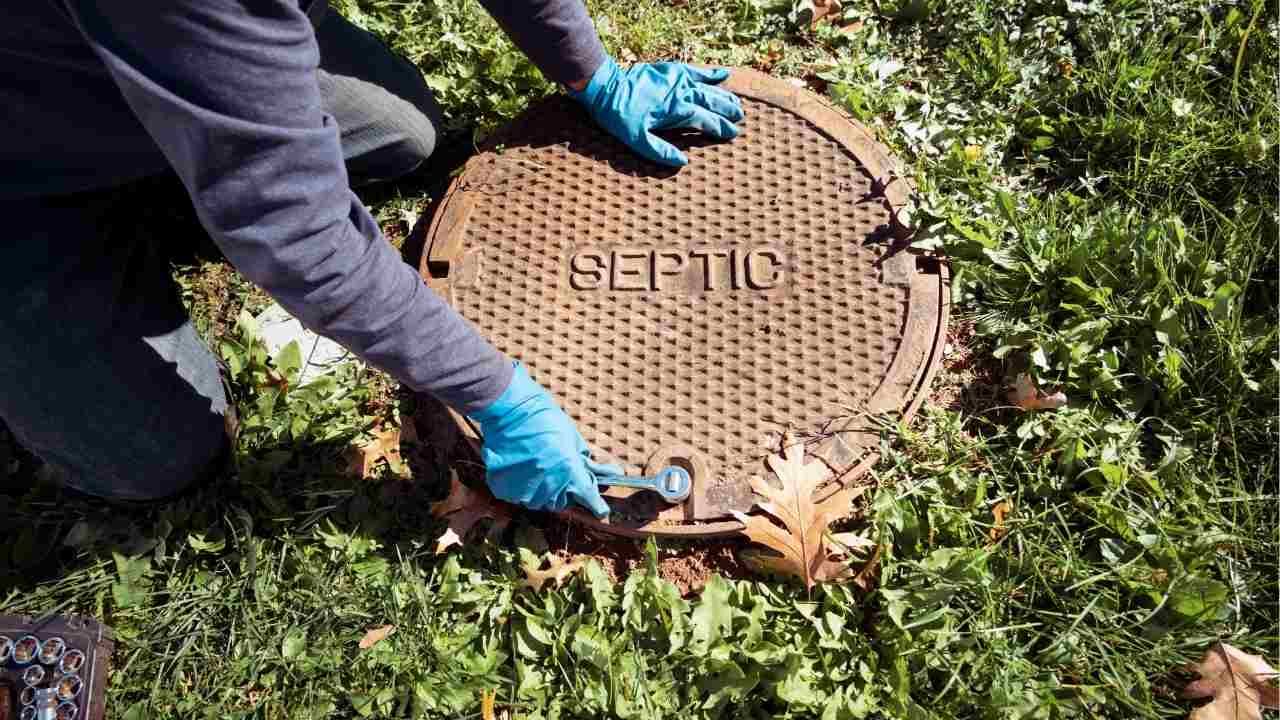
If you notice these symptoms, it’s time to schedule an inspection. A qualified team offering septic services can help diagnose whether your tank is simply due for maintenance or if a more serious repair is needed.
How to Prevent Fast Fill-Ups
Keeping your septic tank healthy doesn’t have to be complicated. Here are a few habits that can extend the life of your system:
- Spread out water usage instead of overloading the tank at once
- Repair leaky faucets and running toilets quickly
- Avoid flushing wipes, feminine products, and paper towels
- Limit grease and harsh chemicals going down your drains
- Stick to a regular inspection and pumping schedule
Case Study: A Family’s Septic Surprise
One Miami family noticed their septic tank needed pumping almost every year—far more often than neighbors. After calling in a professional, they discovered their leach field was waterlogged due to poor drainage in the yard. Once the field was repaired, the family returned to a normal pumping schedule of every four years, saving them hundreds of dollars annually.
Final Thoughts
A septic tank that fills too fast is often a sign that something isn’t right, whether it’s your household water habits, a clog, or an issue with the drain field. By paying attention to early warning signs and working with a trusted local provider, you can save yourself stress and money.
If you’ve noticed your septic tank filling up more quickly than expected, don’t wait—schedule an inspection and get peace of mind that your system is working the way it should.
Ask Your Questions
Get In Touch, Leave Us A Message
We're committed to providing affordable and reliable septic tank services. Whether you need cleaning, maintenance, or repairs, our experienced team is here to help. Get in touch with us today and leave us a message to schedule an appointment or inquire about our services.
More Marketing Tips, Tricks & Tools