What to Do Before the Septic Pump Truck Arrives at Your Property
When you schedule a pump-out, most homeowners assume the hard part is over. The truth? What you do before the truck pulls into your driveway can make the entire process smoother, faster, and cheaper.
If you’ve booked a septic pumping service, a little preparation goes a long way. Whether it’s routine septic tank cleaning in Miami, Florida or your first time working with septic cleaning companies, getting your property ready protects your system and saves everyone time. Here’s exactly what to do before the crew arrives.
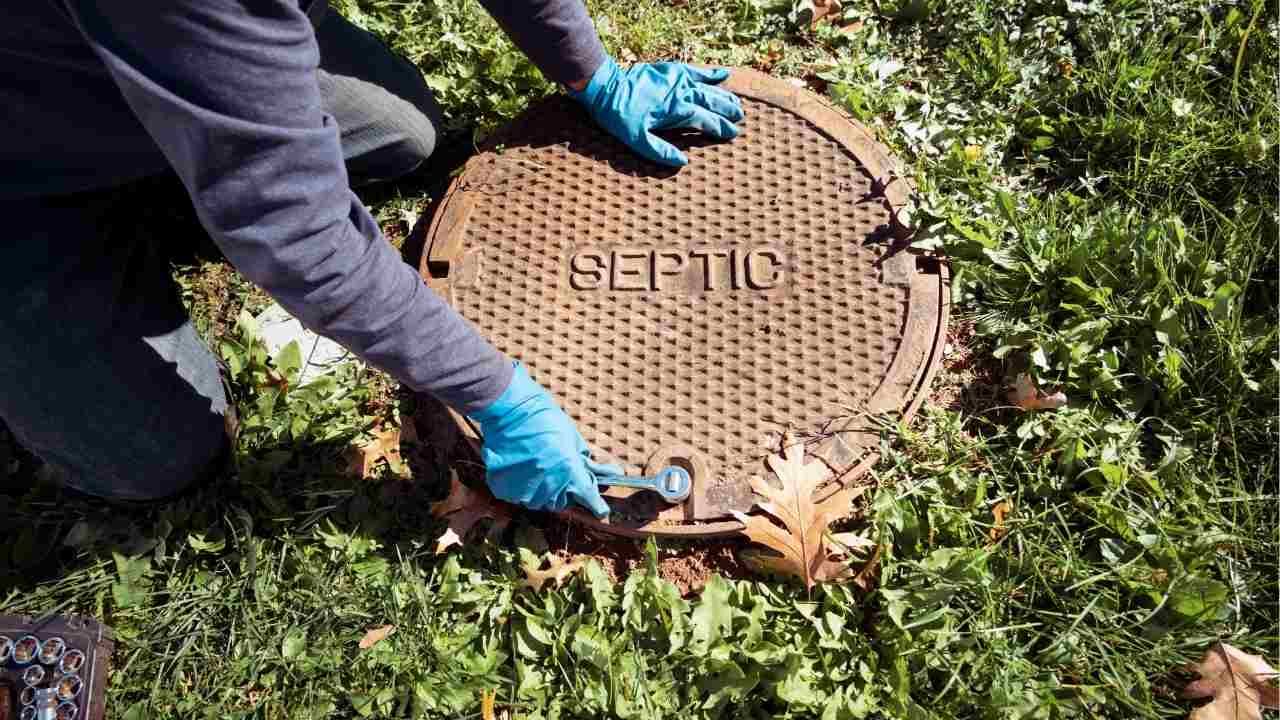
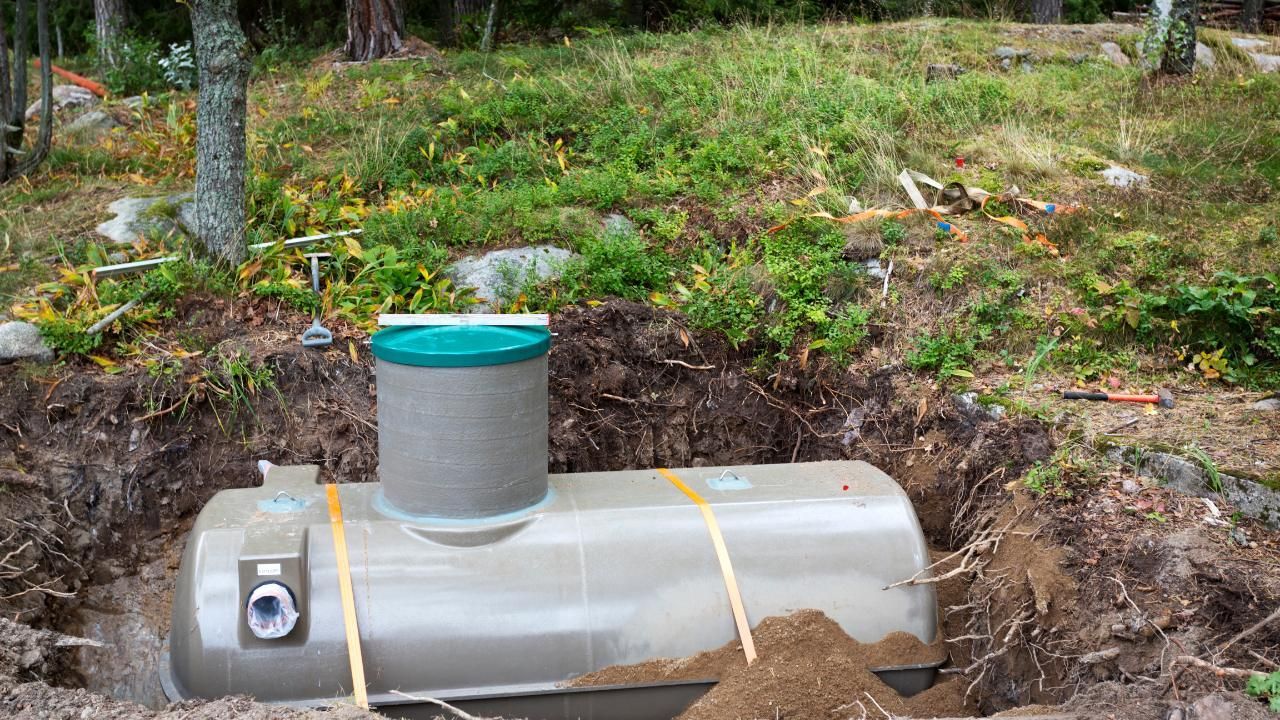
1. Locate and Expose the Septic Tank Lid
This is the biggest time-saver.
Many service calls get delayed because the technician has to search for the tank. If you know where it is, mark it clearly. If you don’t, check your property records or septic system diagram. In some cases, you may need a probe tool to locate it underground.
Once you’ve found it:
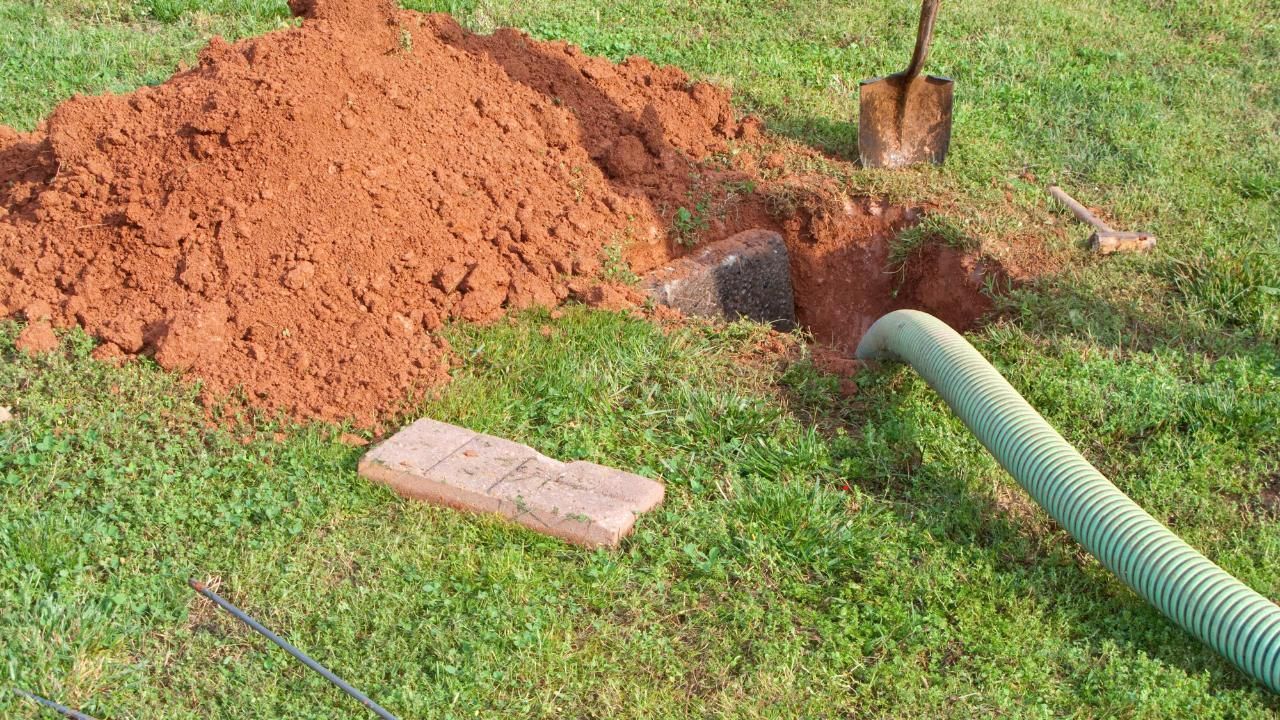
- Remove soil covering the lid (if accessible)
- Clear grass, mulch, or debris
- Make sure the lid is fully exposed
- Remove any decorative landscaping nearby
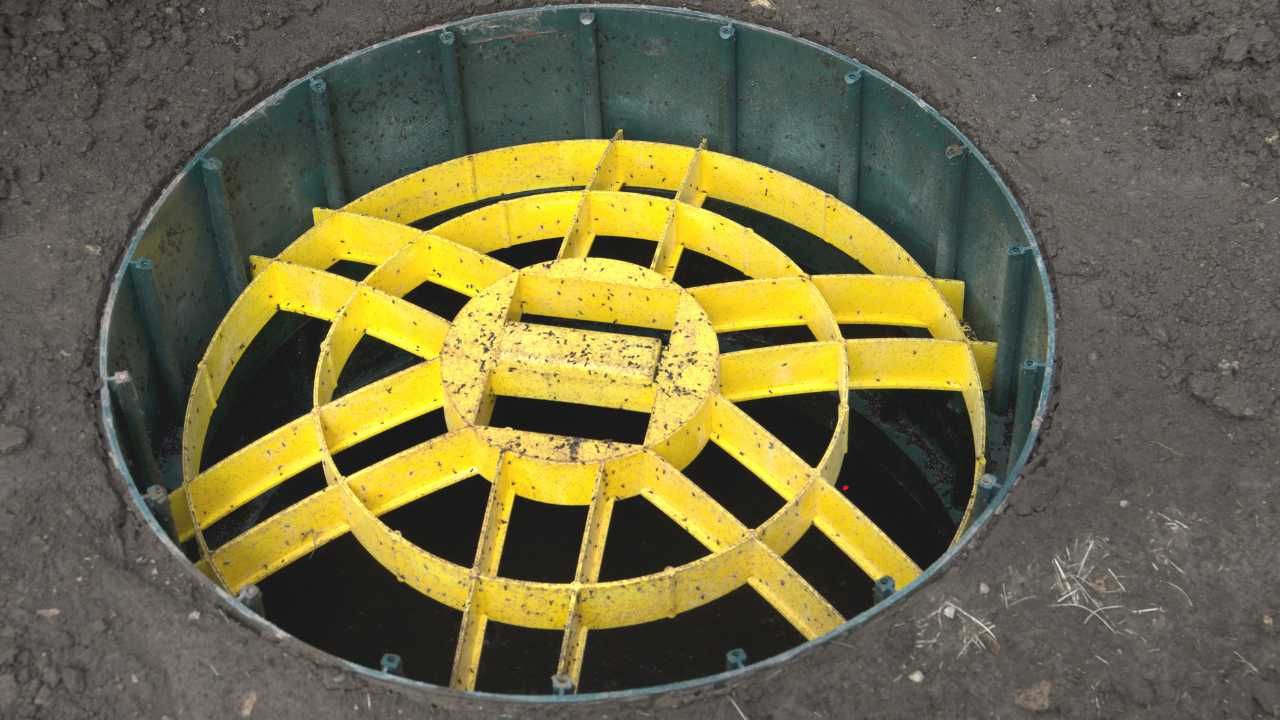
If your tank has multiple compartments, uncover all access lids. That allows the technician to pump and inspect properly without digging up your yard.
The easier the access, the quicker the job gets done.
2. Clear a Path for the Truck and Hose
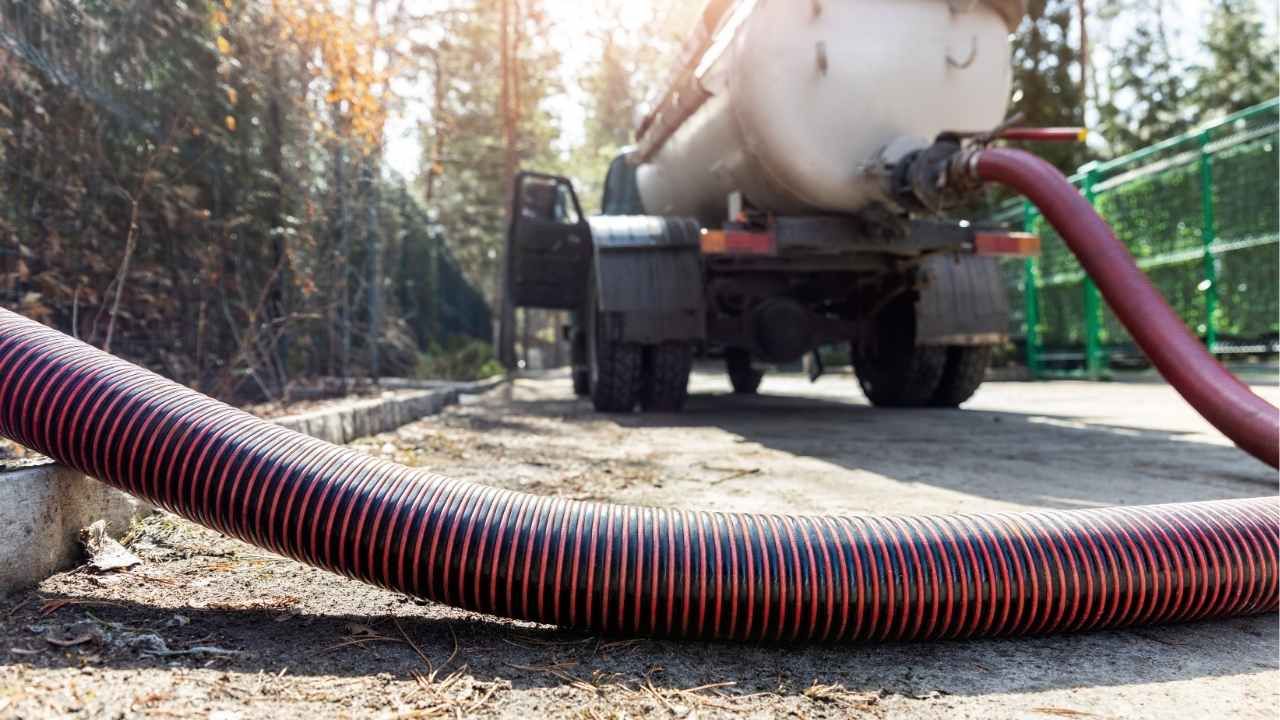
Pump trucks are large and heavy. They need safe, stable access.
Before arrival:
- Move vehicles out of the driveway
- Unlock gates
- Remove lawn furniture or obstacles
- Keep pets secured inside
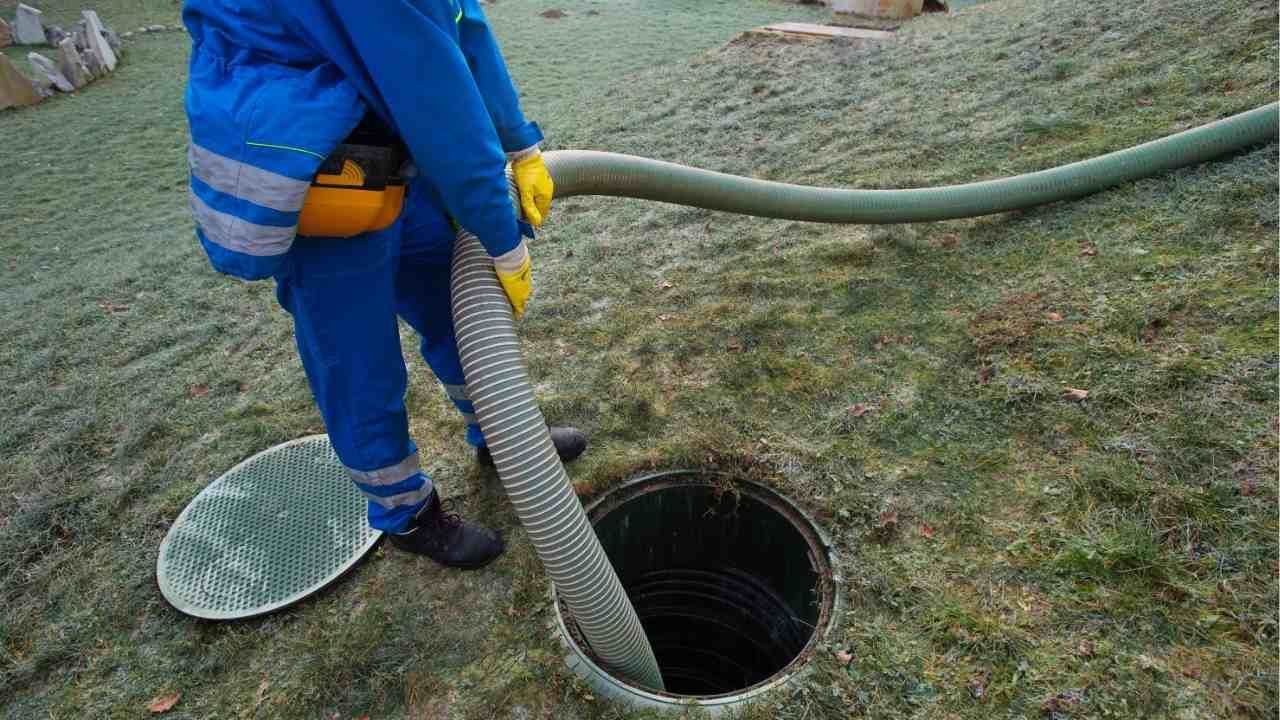
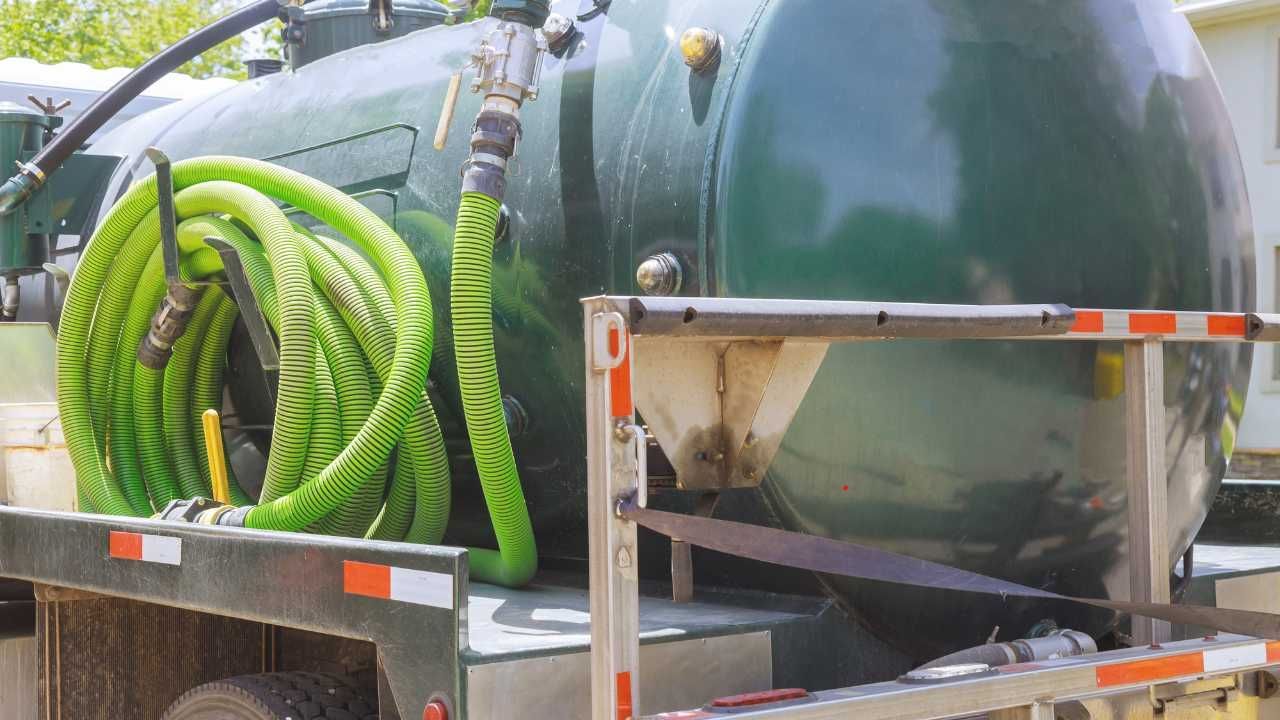
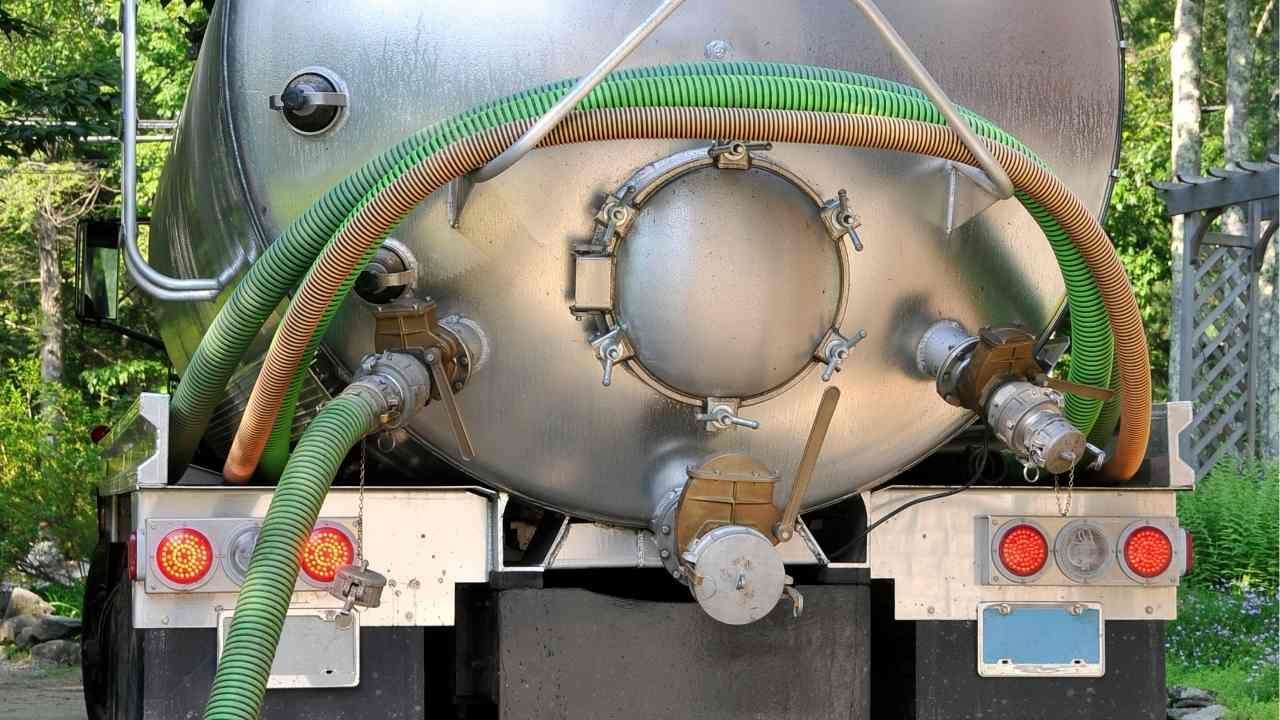
The technician will typically run a hose from the truck to the tank. The shorter the distance, the better. Ideally, the truck should park within 50–100 feet of the access point.
Also, avoid scheduling service during extremely wet conditions if possible. Soft ground can make it difficult for heavy trucks to maneuver without damaging your yard.
3. Reduce Water Usage Before Pumping
The day before service, cut back on heavy water use.
Why? Because excess water in the tank can stir up solids and make pumping less efficient. Letting the system settle improves results.
Try to avoid:
- Running multiple loads of laundry
- Long showers
- Dishwasher cycles
- Large bathtub fills
Give your tank time to stabilize. It makes the pump-out more thorough and effective.
4. Make Sure Everyone Knows Service Is Scheduled
If you have family members, tenants, or guests, let them know the truck is coming.
You don’t want someone flushing repeatedly or using heavy water while the tank is being pumped. That can interfere with the process and slow things down.
During the actual pumping, limit water usage inside the house until the technician confirms the job is complete.
Communication prevents unnecessary delays.
5. Check for System Concerns Ahead of Time
Before the crew arrives, walk your property and take note of anything unusual:
- Slow drains
- Gurgling sounds in plumbing
- Sewage odors
- Wet spots near the drain field
- Lush, bright green grass patches
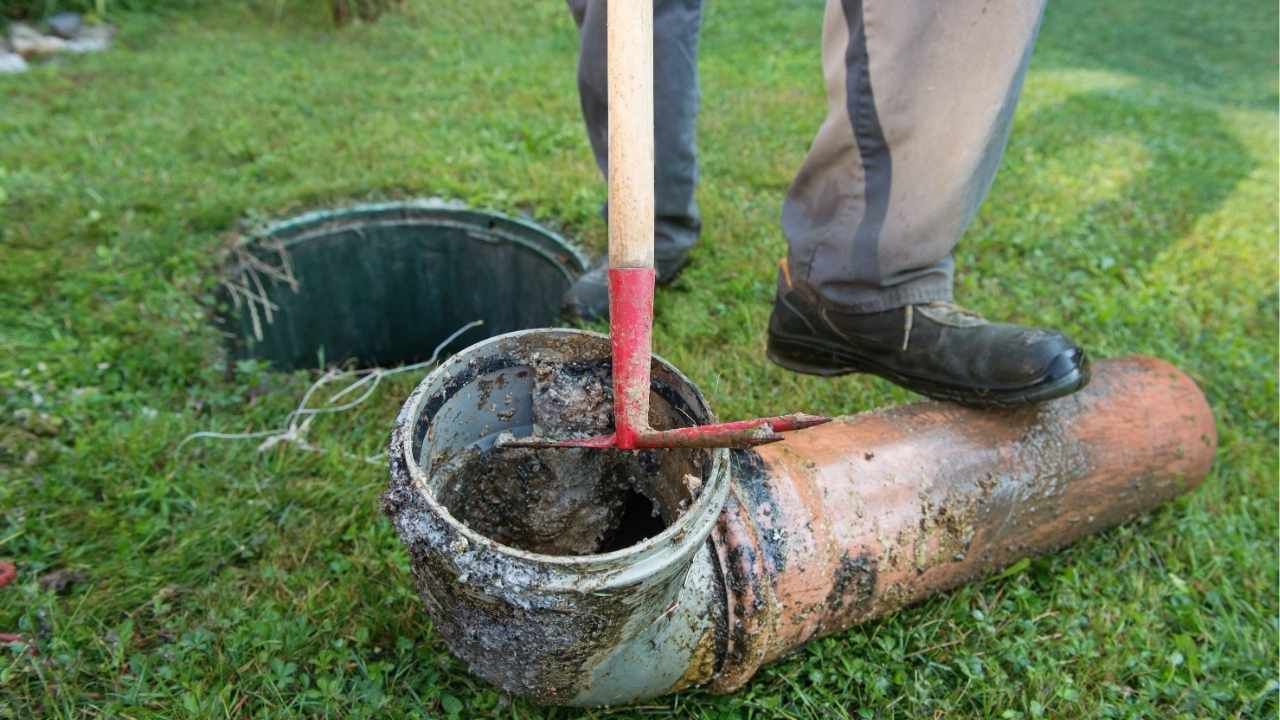
Mention these issues when the technician shows up. Pumping isn’t just about removing waste, it’s also a chance to inspect the system.
Early warnings can prevent expensive repairs later.
6. Secure Pets and Ensure Safety
Septic pumping involves large equipment, open tank lids, and heavy hoses. It’s not a safe environment for pets or small children.
Before the truck arrives:
- Keep dogs indoors or in a secure area
- Keep children away from the work zone
- Avoid walking near open lids
Safety should always come first.
7. Be Ready to Ask Questions
This is your opportunity to learn more about your system.
Ask the technician:
- How full was the tank?
- Are there signs of damage?
- Is the baffle in good shape?
- When should the next pumping be scheduled?
Most residential systems should be pumped every 3–5 years, but household size and usage habits can change that timeline.
Understanding your system helps you avoid surprises.
A Quick Case Study: The Cost of Skipping Prep
One homeowner scheduled a routine pump-out but forgot to uncover the tank lid. The technician spent nearly an hour locating and digging through compacted soil. That extra labor added to the bill.
On top of that, vehicles were parked in the driveway, forcing the truck to park farther away. The longer hose run reduced efficiency and increased service time.
The next time around, the homeowner cleared the area in advance. The job took half the time and cost less.
Preparation isn’t optional. It directly impacts your bottom line.
Final Thoughts
Getting ready before the septic pump truck arrives isn’t complicated, but it makes a major difference. Clear access, reduced water usage, and simple communication can speed up the process and prevent unnecessary charges.
If you have service scheduled soon, take 30 minutes today to prepare your property. A little prep now can prevent delays, reduce hassle, and help the entire visit run smoothly. If you’re due for maintenance, don’t wait until there’s a problem, schedule an appointment and stay ahead of costly repairs.
Ask Your Questions
Get In Touch, Leave Us A Message
We're committed to providing affordable and reliable septic tank services. Whether you need cleaning, maintenance, or repairs, our experienced team is here to help. Get in touch with us today and leave us a message to schedule an appointment or inquire about our services.
More Marketing Tips, Tricks & Tools