How Vacuum Pump Trucks Safely Handle Your Septic Waste
Septic systems work quietly in the background, but when they’re ignored, things can get messy fast. Behind every clean, odor-free home with a septic tank is a carefully engineered process and vacuum pump trucks are the real workhorses making it happen.
In this article, you’ll learn how these trucks safely remove, transport, and dispose of waste, why the process matters for your property, and what actually happens from the moment the hose connects to your tank.
What a Vacuum Pump Truck Really Does
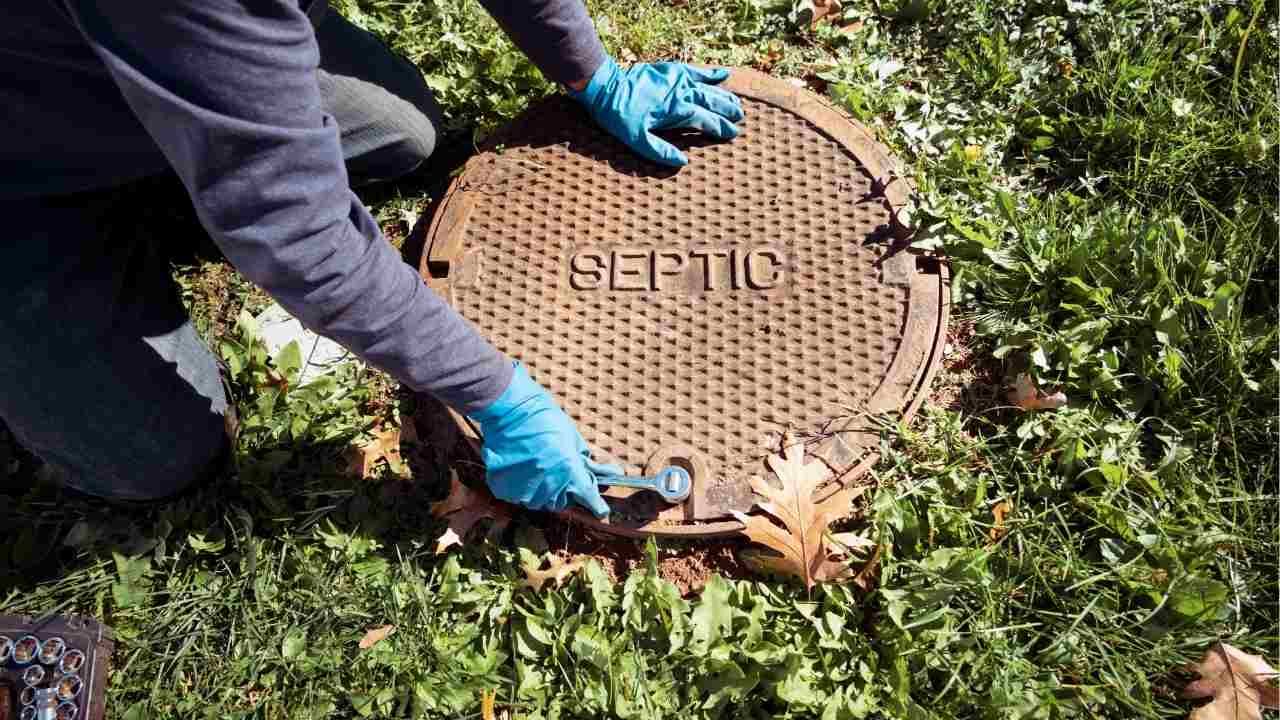
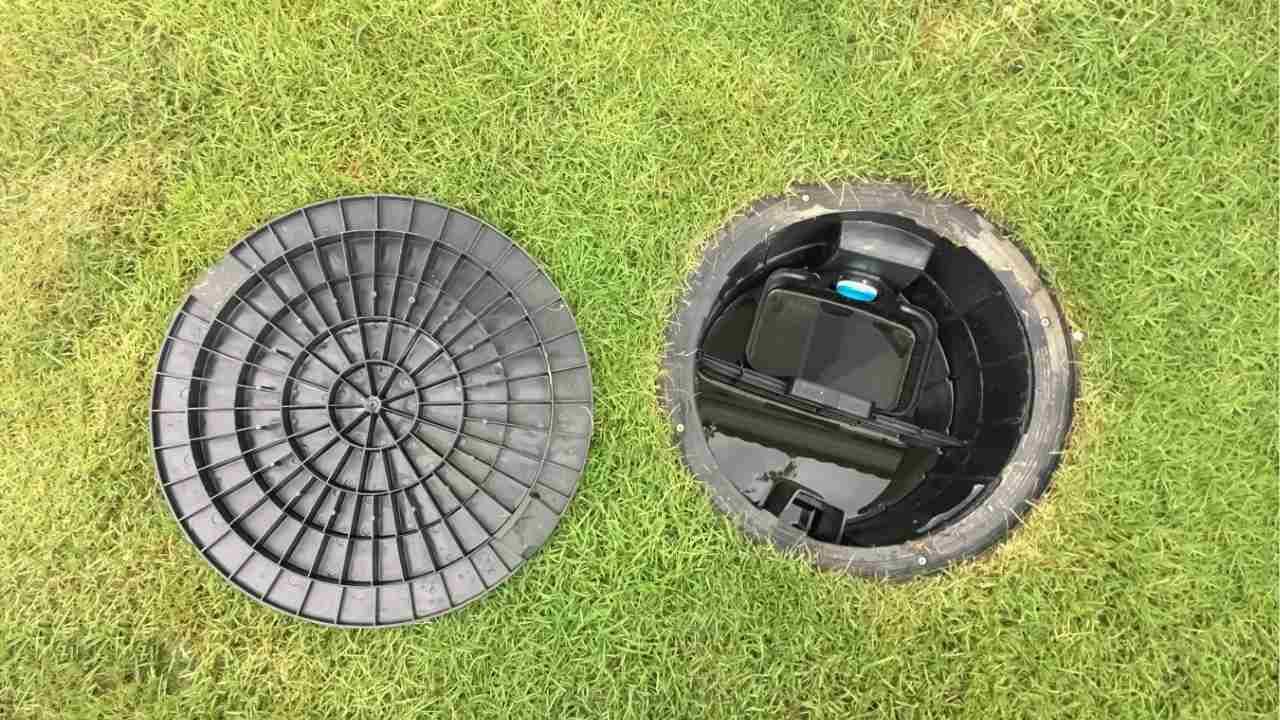
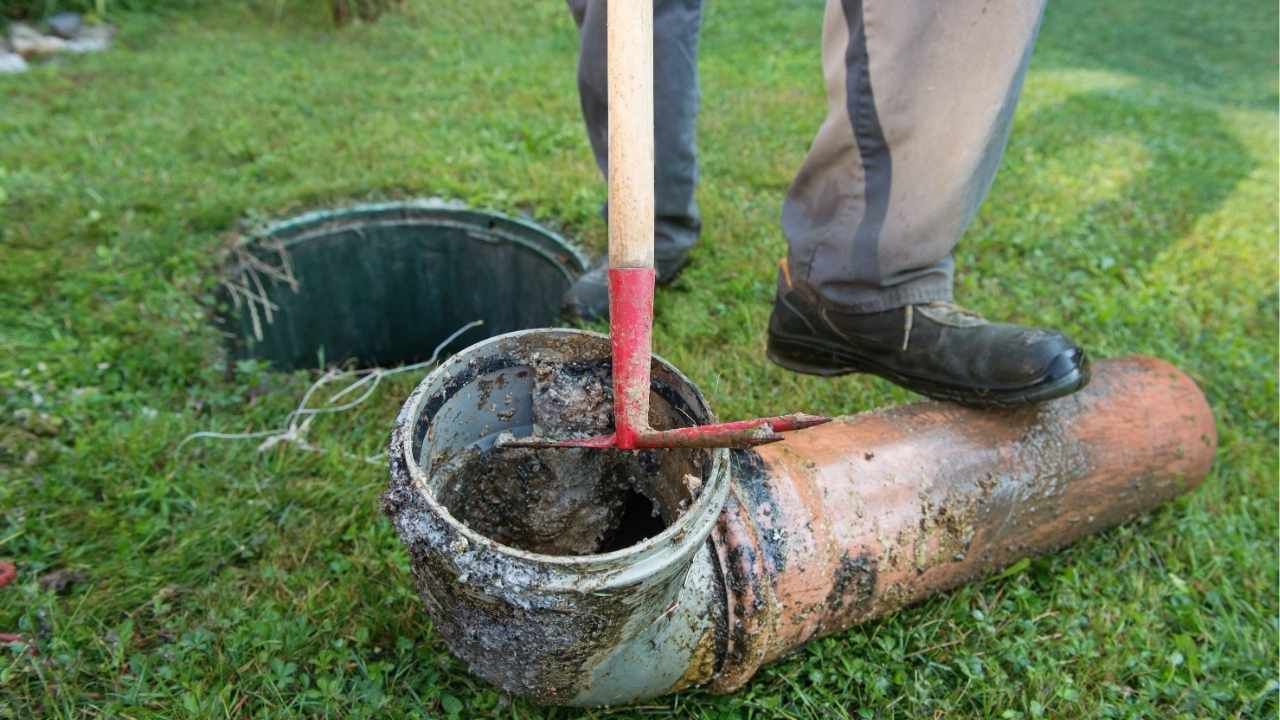
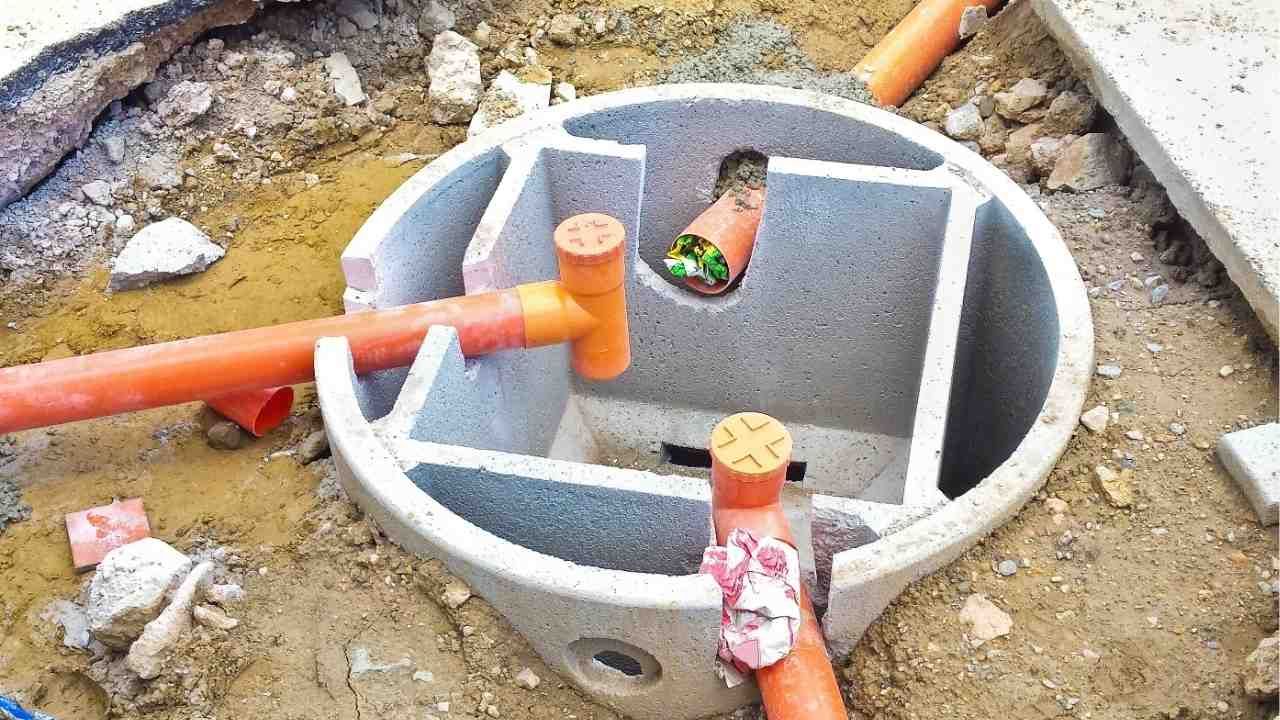
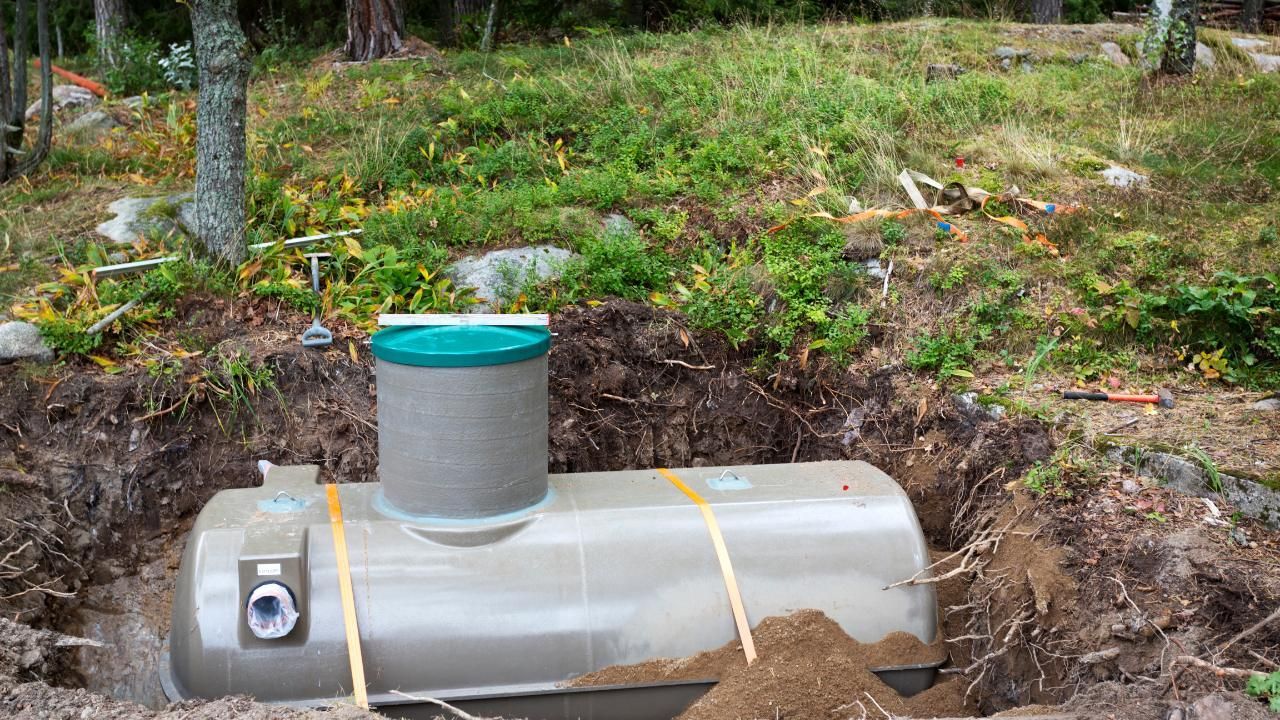
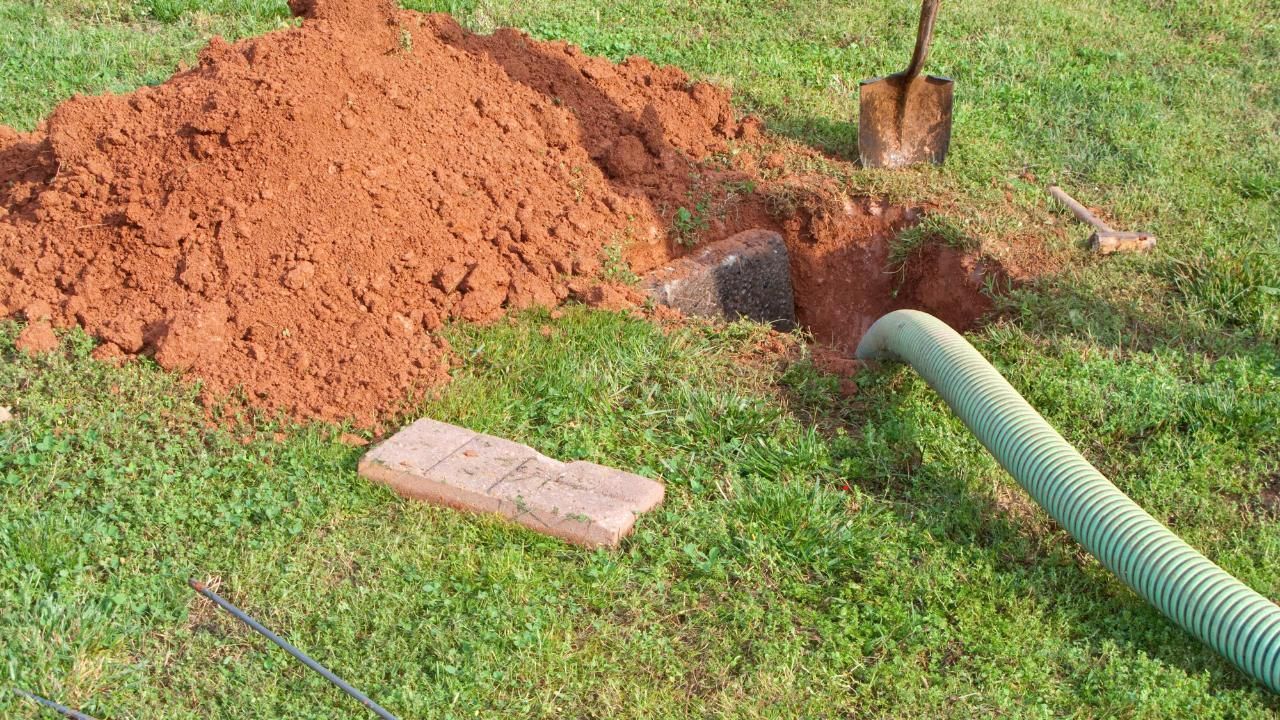
A vacuum pump truck is designed to remove liquid and solid waste from septic tanks without spills, leaks, or contamination. During septic tank pumping in Miami, licensed operators rely on sealed tanks, high-powered suction pumps, and reinforced hoses to extract waste efficiently. Before pumping begins, a quick septic tank inspection is often performed to check sludge levels, tank integrity, and access points. This upfront step ensures the system can be serviced safely and helps prevent costly damage.
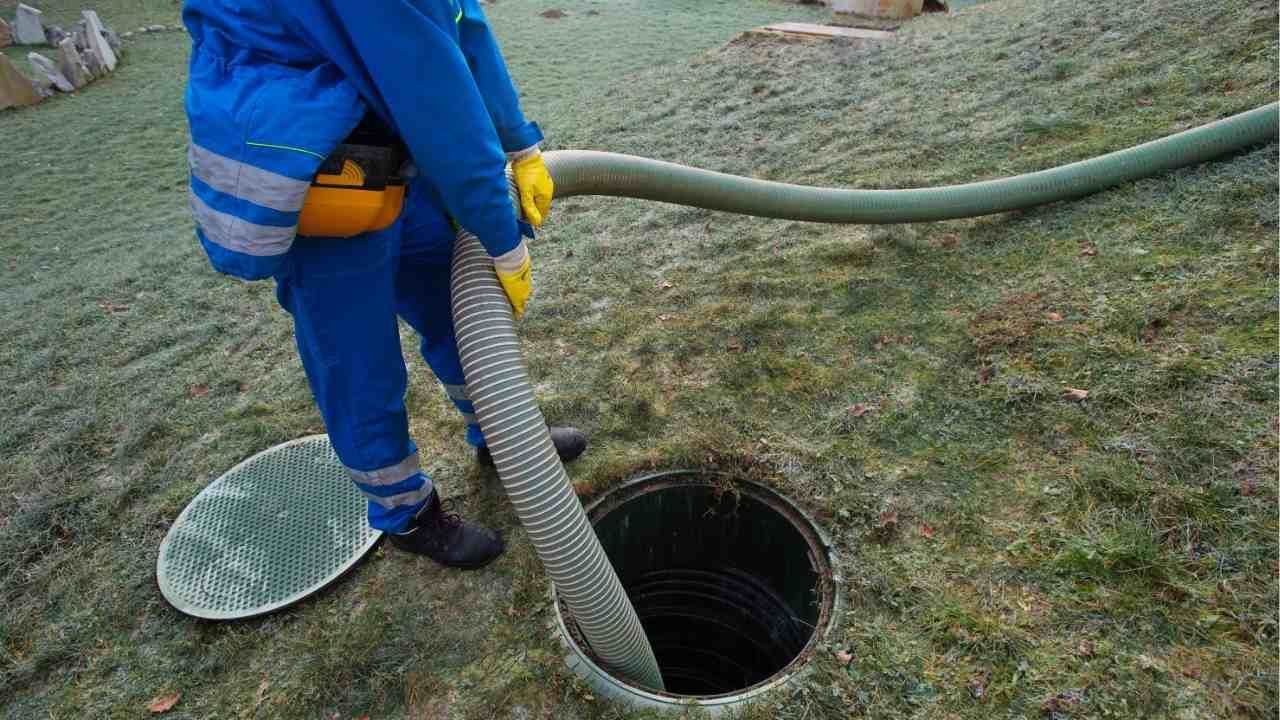
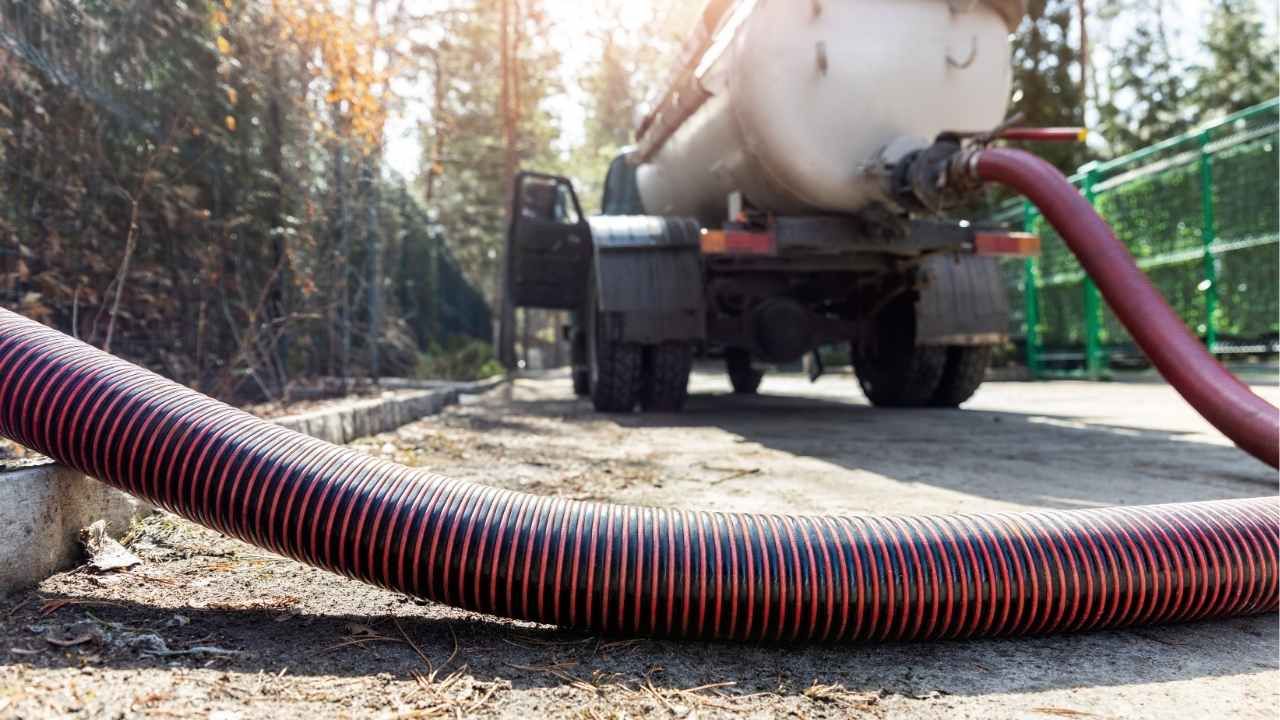
Once connected, the vacuum system creates negative pressure that pulls waste directly into the truck’s storage tank. Everything stays contained; no exposure to soil, groundwater, or air, making the process both sanitary and environmentally responsible.
Built for Safety From the Ground Up
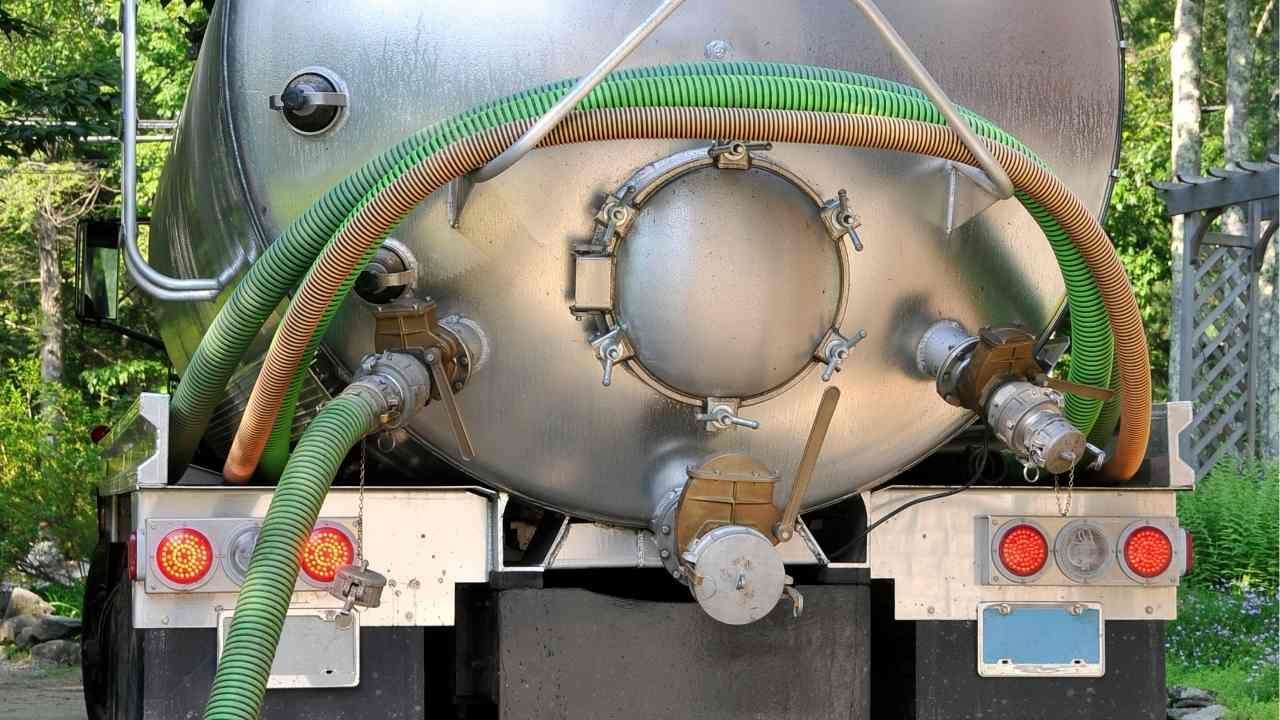
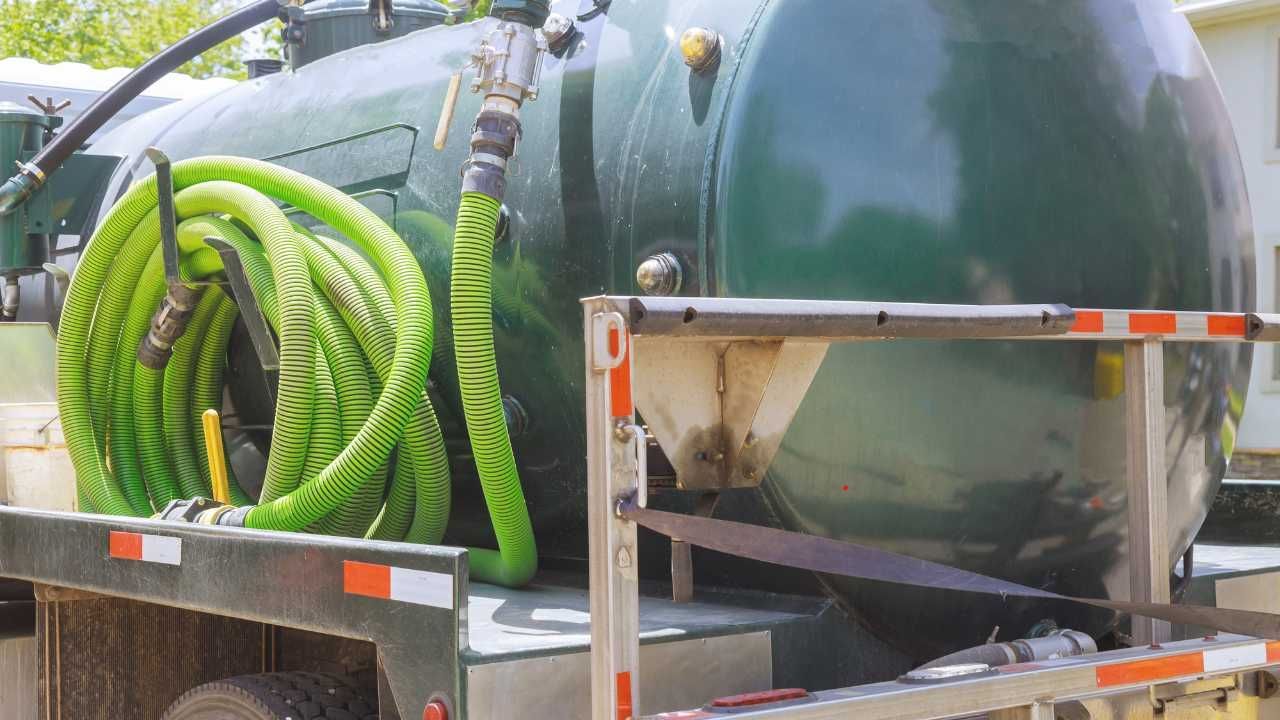
Vacuum pump trucks aren’t just big tanks on wheels. They’re engineered for hazardous material handling, with multiple safety layers built in. Key safety features include:
- Airtight steel tanks to prevent leaks and odors
- Pressure-relief valves to avoid over-pressurization
- Backflow prevention systems to stop waste from reversing direction
- Secure hose locks that prevent accidental disconnections
Operators are trained to monitor pressure levels throughout the job, ensuring waste moves only where it’s supposed to go, from your tank into the truck.
Transporting Waste Without Environmental Risk
After pumping, the truck doesn’t just drive off and dump waste anywhere. Septic waste must be transported to approved treatment or disposal facilities. During transit, the sealed tank prevents spills even during sudden stops or sharp turns. This is critical for protecting local waterways and residential areas, especially in dense urban environments.
For homeowners using residential septic services, this controlled transport is a major reason professional pumping is non-negotiable. DIY or unlicensed handling can easily lead to contamination, fines, and serious health hazards.
A Real-World Example
A homeowner noticed slow drains and sewage odors but delayed service for years. When professionals arrived, they found the tank nearly overflowing, with compacted sludge threatening the drain field. Using a vacuum pump truck, technicians safely removed the waste, inspected the tank walls, and identified early signs of a failing baffle. Because the problem was caught during pumping, repairs were minor. The homeowner avoided a full system replacement, saving thousands and preventing environmental damage.
Why Professional Pumping Matters
Vacuum pump trucks don’t just remove waste; they protect your system, your property, and your health. Regular service reduces backups, extends tank life, and keeps harmful bacteria where it belongs, contained and treated properly.
If it’s been a few years since your last pump-out or you’re noticing warning signs,
schedule professional septic service now. Preventive maintenance is always cheaper and cleaner than emergency repairs.
Ask Your Questions
Get In Touch, Leave Us A Message
We're committed to providing affordable and reliable septic tank services. Whether you need cleaning, maintenance, or repairs, our experienced team is here to help. Get in touch with us today and leave us a message to schedule an appointment or inquire about our services.
More Marketing Tips, Tricks & Tools